When people think of damp, they usually think of rain. But in reality, some of the worst damp issues develop during winter, even when rainfall is minimal.
The reason lies in how buildings react to colder temperatures.
Condensation: The Silent Culprit
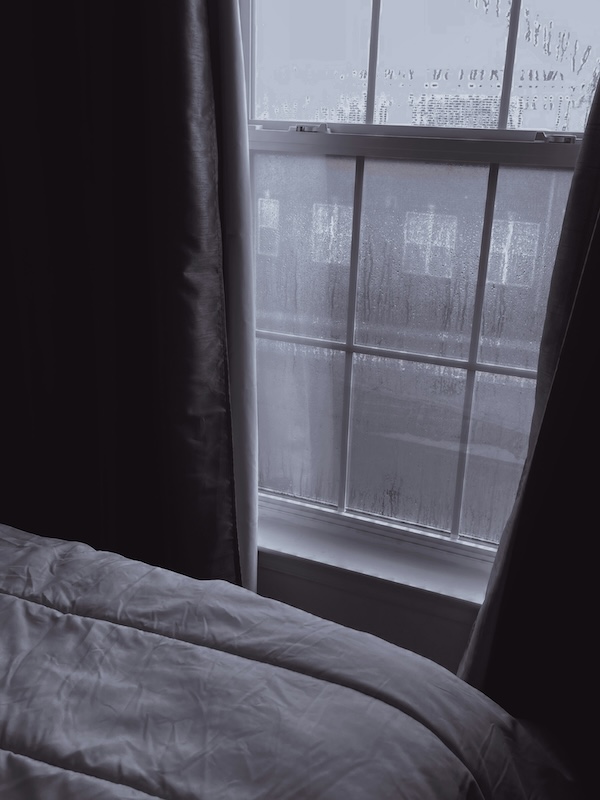
In winter, warm indoor air meets cold walls, ceilings, and windows. This creates condensation (moisture that forms on surfaces and gradually seeps into materials).
Over time, this can lead to:
- Damp patches on walls
- Peeling paint
- Mould growth
- Musty odours
Unlike leaks, condensation builds up quietly, often going unnoticed until damage becomes visible.
Poor Ventilation Makes It Worse
During colder months, homes and buildings are kept closed to retain heat. While this makes interiors more comfortable, it also traps moisture inside.
Activities like cooking, showering, and even breathing increase humidity levels and without proper airflow, that moisture has nowhere to go.
Cold Surfaces Attract Moisture
Walls, ceilings, and floors become colder in winter. These surfaces naturally attract moisture from the air, making them more vulnerable to damp.
This is especially common in:
- Exterior-facing walls
- Poorly insulated areas
- Corners and enclosed spaces
Why It Shouldn’t Be Ignored
Winter damp may seem minor at first, but over time it can affect both the appearance and structure of a property.
Left untreated, it can lead to:
- Long-term material damage
- Mould-related health concerns
- Costly repairs later on
Start With the Right Assessment
Understanding whether damp is caused by condensation, leaks, or structural issues is key to solving it properly.
A professional assessment helps identify the root cause ensuring the right solution is applied. Contact Dampcon today / Browse our Instagram