With Johannesburg’s unpredictable weather, it’s no surprise that roofs take a beating. From scorching sun to heavy rains, your roof is constantly exposed to the elements. But how often do you really think about the state of your roof? If the answer is “not often,” you’re not alone – and that could be a costly mistake.
Why Regular Roof Inspections Matter
Your roof is your home’s first line of defense against the weather. A small crack or leak might not seem like a big deal, but it can lead to significant water damage if left unchecked. And once water starts seeping in, it doesn’t just affect the roof – it can compromise walls, ceilings, and even the structural integrity of your home.
Real-Life Proof: A Recent Waterproofing Project
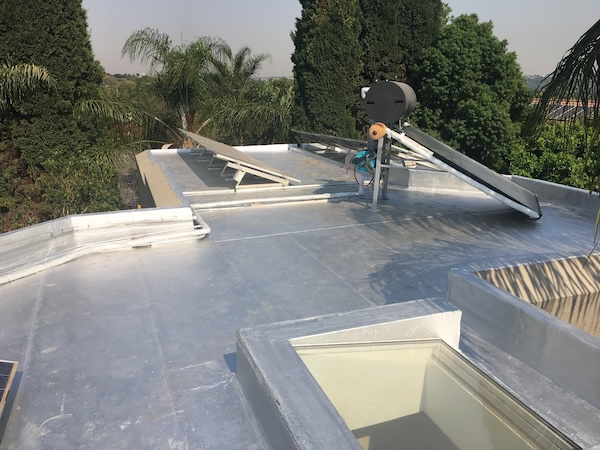
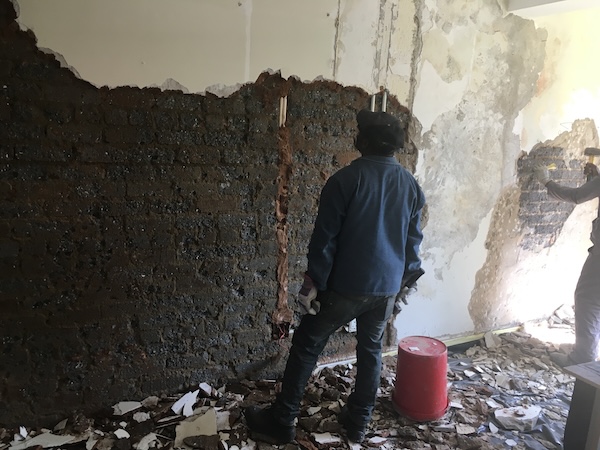
Take a look at one of our recently completed projects in Sandton, Johannesburg. The roof water had even begun seeping into the walls of the bedrooms on the first floor causing the electrical points to rust.
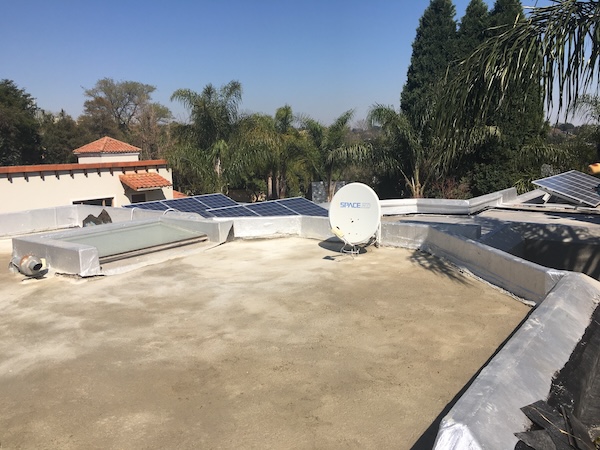
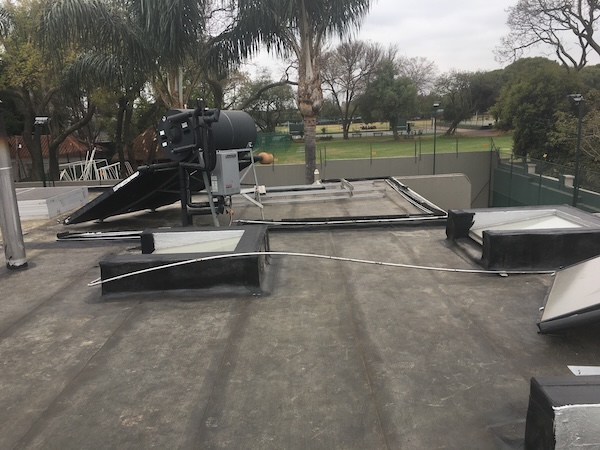
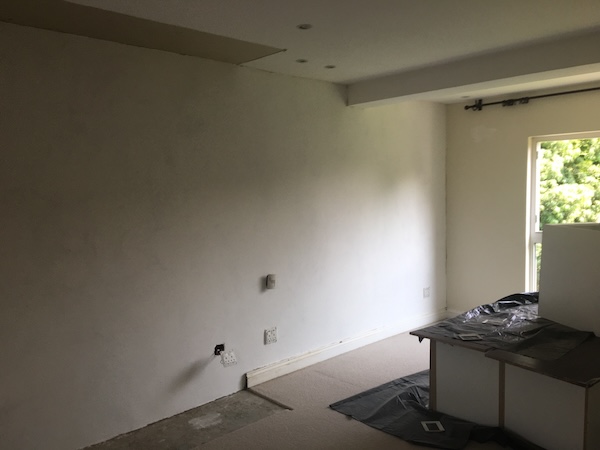
We started by thoroughly inspecting the roof to identify all problem areas and noted that the waterproofing layer was ineffective. After discussions with the client we agreed that the best solution is the one that would offer the longest term guarantee. The scope of works included removing the old waterproofing, rescreeding sections to correct falls and priming, and applying a new 4mm reinforced torch-on membrane by means of heat fusion. After attending to the roof waterproofing work , we applied a layer of bituminous aluminium paint to ensure maximum UV protection. Finally, after the roof works were fully completed, we began the interior work to deal with the damp damaged plaster. This included removal of contaminated plaster back to brickwork, replacing the rusted wall boxes, and re plastering the walls with a plaster admixture to guard against salting. This mix takes some time to cure, whereafter we applied plaster skim to match the existing finishes and painted.
It may be important to note that once plaster has been contaminated by salting, it is absolutely imperative that the plaster be removed and replaced with a suitable admixture. Salting is hygroscopic (absorbs moisture from the air) and a simply scrape and paint will not solve the issues.
Just look at the after photo – a sleek, secure, and weather-ready roof!
How Often Should You Inspect Your Roof?
Ideally, homeowners should schedule a roof inspection at least once a year, preferably before the rainy season. However, if your area has experienced severe weather – like heavy winds or hail – it’s wise to check for damage even if you don’t see any leaks inside the house.
What to Look For During an Inspection:
- Cracks or Bubbling in Waterproofing: These are early signs of wear and tear.
- Damaged Flashing: This can cause leaks around vents and chimneys.
- Blocked Gutters and Downspouts: Clogged gutters can lead to water pooling and roof leaks.
- Moss or Algae Growth: This indicates trapped moisture, which can weaken roofing materials.
Protect Your Investment with Dampcon
Prevention is always better (and cheaper) than repair. Regular roof inspections and timely waterproofing can save you from costly water damage and preserve the structural integrity of your home.
At Dampcon, we specialize in roof inspections, repairs, and waterproofing solutions. Don’t wait for the next downpour to discover a leak. Give us a call today and keep the rain where it belongs – outside your home! Reach us via our contact page or find more information via our YouTube page.