Penetrating and lateral damp
\”Damp problem no. 1\”
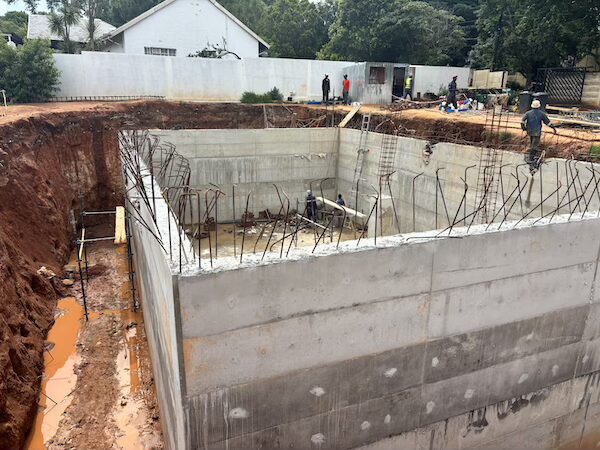
Look out for defects, cracks or blockages through which water could be getting in or is your floor level lower than the outside ground level
Penetrating damp is caused by defects on the exterior of the building. Examples are plaster / wall cracks, plaster imperfections, damaged or no waterproofing caused by a lack of building maintenance. Essentially allowing water to enter the property. A water mark or paint peeling and blistering on an internal wall would be a sign of penetrating damp, and will usually indicate the point of the defect, so check externally in the same area as the watermarks or paint defects for any obvious problems.
Building maintenance is imperative in solving any potential and re-occurring issues. Getting a professional to inspect your building will give you a definitive direction to take when it comes maintenance. Maintenance is always cheaper than repairs.
Rising Damp
\”Damp problem no. 2\”
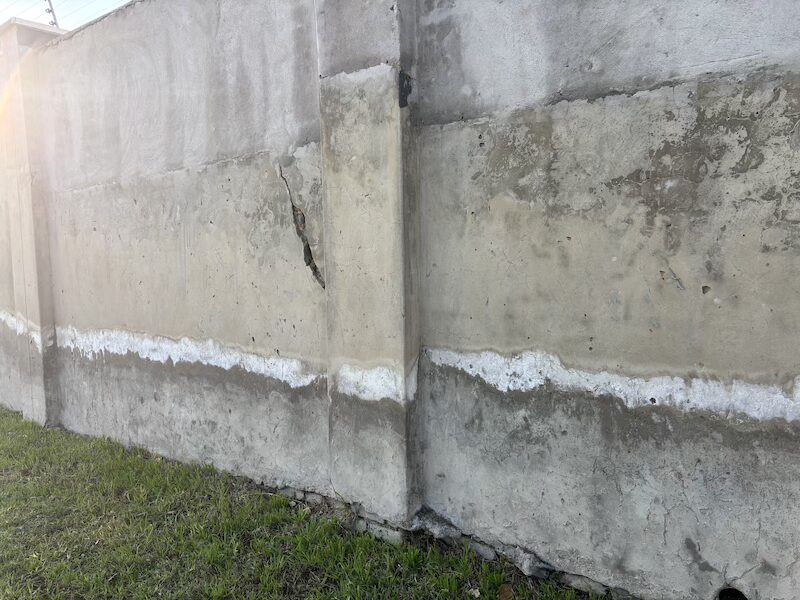
Do the ground floor walls exhibit damp patches and salt bands to about 1 metre from the floor?
The damp proof course (DPC) could be bridged, incorrectly installed or not installed at all. Establishing the type of damp will halt further rising and penetrating damp.
Ground salts are hygroscopic and although the wall will no longer be receiving moisture from the ground, the walls may still be damp due to the moisture received by the salts that still remain in the wall. We recommend that you seek advise from a damp-proofing specialist.For a Damp proofing and building maintenance specialist, contact us for to get a professional to assess your property. Vists our website at www.dampcon.co.za